You've tried everything. You go to bed at a reasonable hour, you're not staring at your phone (well, mostly), and you're exhausted by 10pm. Yet somehow you still wake up at 3am, stare at the ceiling for an hour, and drag yourself out of bed feeling like you've been run over.
Sound familiar? You're not alone. Getting a fantastic night's sleep is something most of us take for granted until we can't do it anymore.
I've spent years obsessing over sleep — partly out of necessity after years of broken rest, and partly because at Bennetts Bedrooms, we've helped hundreds of customers transform their bedrooms into proper sleep sanctuaries. What I've learned is this: most people are getting it wrong in ways they don't even realise. And the fixes are often simpler than you'd think.
This guide covers ten genuinely useful, proven tips for better sleep — from the big investments worth making to the small daily habits that quietly make all the difference.
Key Takeaways
- Your mattress is the single biggest factor in sleep quality — and most people keep theirs too long.
- Consistency in your sleep schedule matters more than the number of hours you sleep.
- Your bedroom environment (temperature, light, clutter) has a direct, measurable effect on how well you rest.
- Small habit changes — limiting caffeine, reducing screen time, exercising regularly — compound over time into dramatically better sleep.
- Creating a proper sleep sanctuary doesn't require a total renovation. A few smart choices go a long way.
Table of Contents
- Why Quality Sleep Actually Matters
- 1. Invest in a Quality Mattress
- 2. Choose the Right Pillow
- 3. Stick to a Consistent Sleep Schedule
- 4. Create a Relaxing Bedtime Routine
- 5. Keep Your Bedroom Cool, Dark and Quiet
- 6. Limit Screen Time Before Bed
- 7. Watch What (and When) You Eat and Drink
- 8. Keep Your Bedroom Clutter-Free
- 9. Exercise Regularly (But Smartly)
- 10. Upgrade Your Entire Sleep Environment
- Common Sleep Mistakes to Avoid
- FAQs
Why Quality Sleep Actually Matters
Quick answer: Sleep is when your body does most of its repair work. Your brain clears toxins, your muscles recover, your hormones reset, and your immune system strengthens. Skimp on sleep consistently, and nearly every aspect of your health starts to unravel.
Adults need between seven and nine hours per night — but here's what most people get wrong. It's not just about hours. Eight hours of fragmented, restless sleep won't leave you feeling as refreshed as six hours of deep, uninterrupted rest. Quality trumps quantity.
Chronic poor sleep has been linked to increased anxiety, impaired memory, weakened immunity, weight gain, and a significantly higher risk of long-term health problems. Getting a good night's sleep isn't a luxury — it's maintenance.
1. Invest in a Quality Mattress
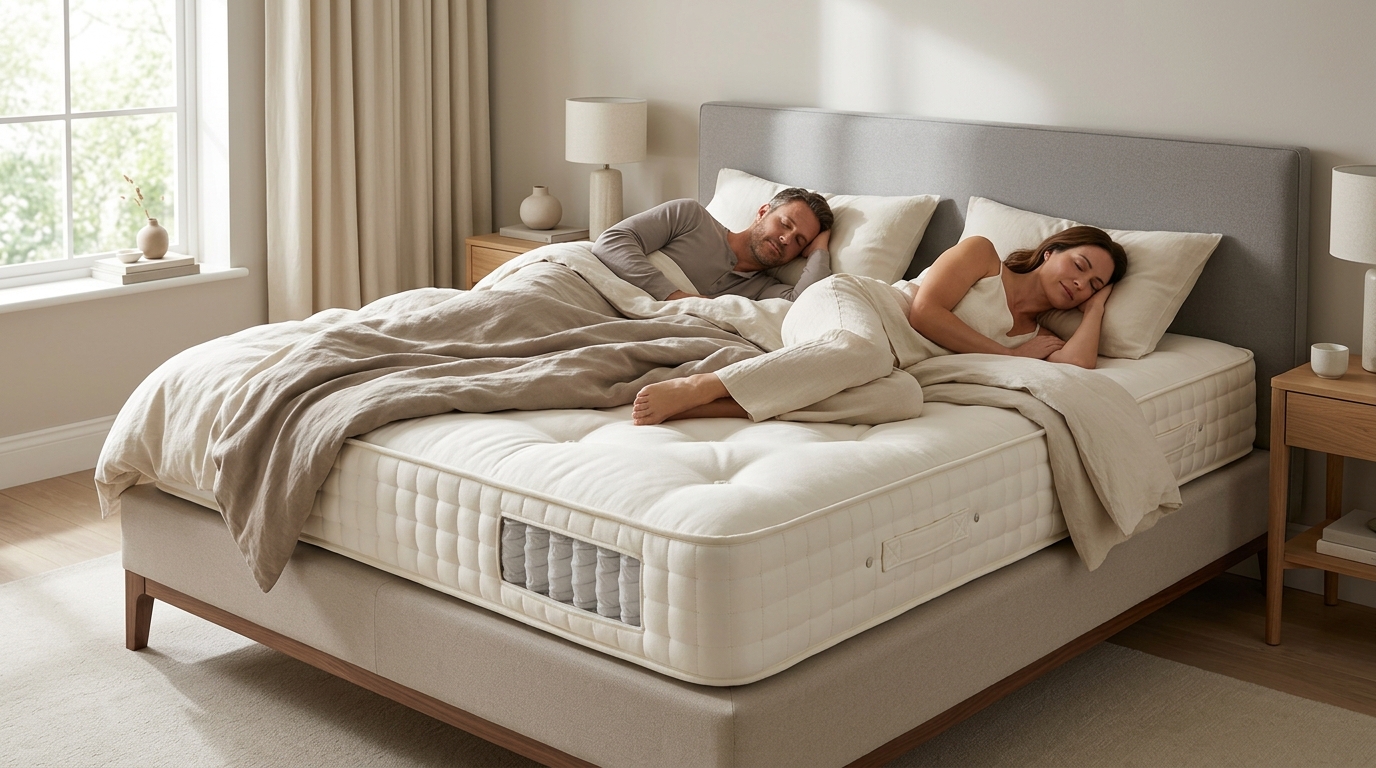
Honestly, I'll say it plainly: if your mattress is more than eight years old, it's probably undermining your sleep more than anything else on this list.
A worn-out mattress causes pressure points, misaligns your spine, and leads to micro-awakenings throughout the night — the kind you often don't even remember, but which leave you exhausted in the morning.
Signs You Need a New Mattress
- You wake up with a stiff back, neck, or hips that eases once you're up and moving
- The mattress visibly sags or you can feel springs
- You sleep noticeably better in hotels or at someone else's house
- It's over 7–10 years old
- You've had major changes in weight or sleeping position
Different sleeping positions have different needs. Side sleepers generally need more cushioning around the hips and shoulders. Back and stomach sleepers usually need firmer support to keep the spine in neutral alignment. There's no single "best" mattress — the best one is the one that fits how you actually sleep.
A quality mattress is genuinely one of the best investments you can make in your health. You spend roughly a third of your life on it. It deserves proper thought.
Also read: Understanding European Bed Sizes: The Complete 2026 Guide for Expats & Homeowners
2. Choose the Right Pillow
Most people grab whatever's on offer in a supermarket and then wonder why they wake up with a stiff neck. The pillow you sleep on has a real, direct effect on spinal alignment — particularly for your cervical spine (the neck region).
Pillow Guide by Sleeping Position
| Sleeping Position | Recommended Pillow Type |
| Side sleeper | Firm, thicker pillow to fill the gap between head and shoulder |
| Back sleeper | Medium support, contoured or memory foam to support neck curve |
| Front/stomach sleeper | Soft, low-profile pillow (or consider switching position entirely) |
Pillows also need replacing more often than mattresses — roughly every one to two years. Over time, they lose their structure and can harbour dust mites, which is particularly problematic for allergy sufferers.
In my experience, switching to the right pillow has given some people almost immediate relief from morning headaches and neck stiffness. It's often an underestimated fix.
3. Stick to a Consistent Sleep Schedule
Your body runs on an internal clock called the circadian rhythm. This 24-hour biological cycle regulates when you feel sleepy, when you feel alert, and when your body performs key maintenance tasks.
The problem? Most of us override it constantly — staying up late on weekends, sleeping in to compensate, then struggling to fall asleep Sunday night when Monday morning looms.
How to Build Sleep Consistency
- Choose a fixed bedtime and wake time — and stick to it seven days a week
- Avoid sleeping in by more than an hour at weekends (I know, I know — but it makes a real difference)
- If you have a bad night, resist the urge to nap excessively the next day
- Use light exposure strategically: bright morning light reinforces your wake time and helps set your rhythm
After about two to three weeks of consistent timing, most people find they naturally feel sleepy at their chosen bedtime and wake up before their alarm. Your body is good at this — you just have to let it.
4. Create a Relaxing Bedtime Routine
This is where things get real — because what you do in the hour before bed probably matters more than you think.
Most people go from full stimulation (scrolling, watching TV, worrying about tomorrow's emails) to lying in the dark expecting to fall asleep in minutes. That's not how the brain works. It needs a transition period.
Wind-Down Activities That Actually Help
- Reading fiction (not work-related material)
- Gentle yoga or stretching
- A warm bath or shower — the subsequent drop in body temperature actually triggers sleepiness
- Journalling — particularly useful for offloading anxious thoughts
- Breathing exercises or guided meditation
- Listening to calm music or a slow-paced podcast
The key is repetition. When you do the same calming activities in the same order every night, your brain starts associating them with sleep. After a few weeks, simply picking up your book can start to make you feel drowsy. You're conditioning a response — and it works.
5. Keep Your Bedroom Cool, Dark and Quiet
Quick answer: The ideal sleep environment is cool (16–19°C / 60–67°F), dark, and quiet. These three conditions support your body's natural sleep-onset mechanisms.
Your core body temperature naturally drops as you fall asleep. A cool room supports this process. A warm room fights it. If you're someone who tosses off the duvet in the night, your room is probably too warm.
Optimising Your Bedroom Conditions
- Temperature: 16–19°C is the evidence-based sweet spot. Use breathable bedding and adjust layers rather than relying entirely on central heating or air conditioning.
- Light: Blackout curtains or a quality sleep mask are worth every penny, especially in summer or if you live somewhere with streetlighting.
- Noise: White noise machines, earplugs, or even a fan can mask disruptive sounds. Thick curtains and carpet also help absorb noise naturally.
I've seen this happen many times — someone does everything right in terms of habits, but their bedroom is stuffy, too bright, or full of noise. Fixing the environment changes everything almost overnight.
Also read: Bedroom Design Ideas for Comfort: The Sleep Specialist's 2026 Guide
6. Limit Screen Time Before Bed
You've heard this one before. But most people still aren't doing it — and it's genuinely one of the most impactful changes you can make.
Blue light from phones, tablets, laptops and TVs suppresses melatonin — the hormone that signals to your brain that it's time to sleep. Even 30 minutes of scrolling before bed can delay melatonin production by an hour or more.
Practical Ways to Reduce Screen Exposure
- Set a hard "screens off" rule 60 minutes before bed
- Keep your phone charger outside the bedroom — removing the temptation entirely
- Enable Night Mode / warm display settings from early evening
- Replace scrolling with reading, stretching, or journalling
- If you genuinely can't avoid screens, blue-light-filtering glasses do provide some benefit
Honestly, I made this mistake too — convincing myself that one last scroll was harmless. The difference when I genuinely stopped using my phone after 9pm was noticeable within days. Not life-changing, but real.
7. Watch What (and When) You Eat and Drink
What you consume — and when — has a surprisingly significant effect on sleep quality. Most people know about caffeine, but there are a few other factors worth considering.
Caffeine
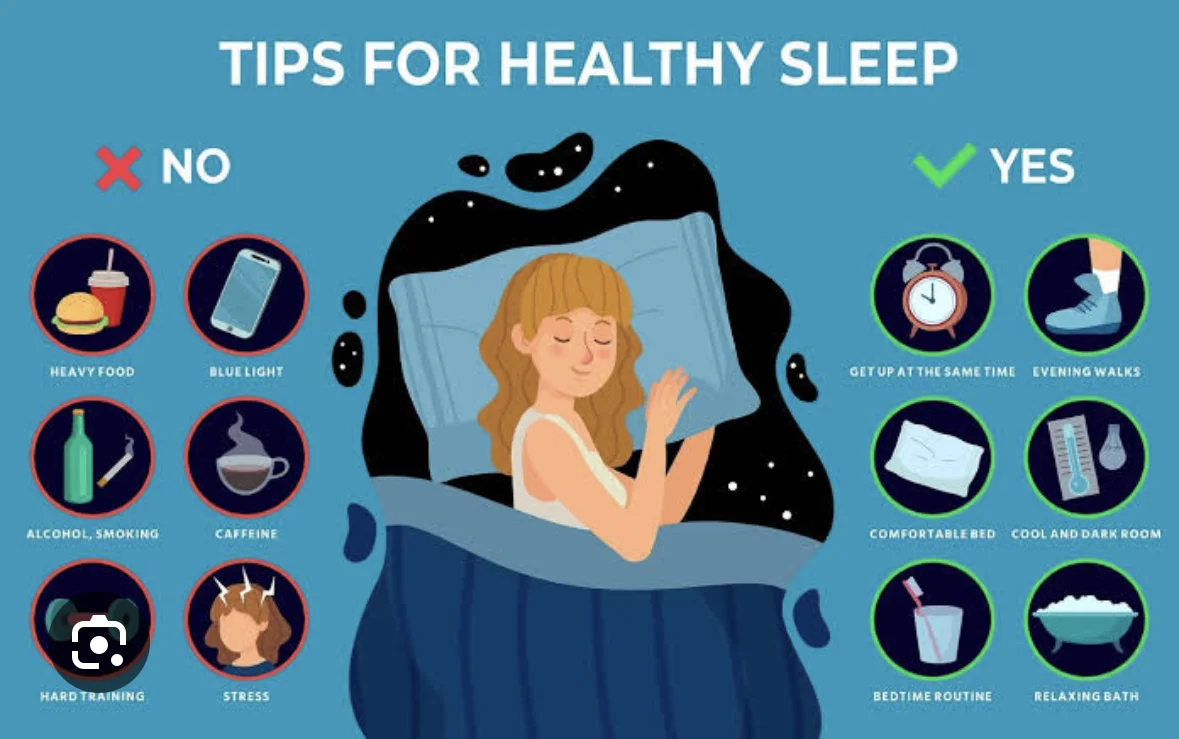
Caffeine has a half-life of around five to six hours. That means a coffee at 4pm still has half its stimulant effect at 10pm. For many people, cutting off caffeine after 2pm makes a noticeable difference to how easily they fall asleep. If you're sensitive, you may need to cut off even earlier.
Alcohol
Alcohol is a sedative, which is why it can make you feel sleepy. But it disrupts REM sleep — the deep, restorative stage — and causes fragmented sleep in the second half of the night. Regular evening drinking is one of the most common and underrecognised causes of poor sleep quality.
Late Meals
Large, heavy meals close to bedtime mean your digestive system is working hard when it should be winding down. If you're hungry before bed, a small, easily digestible snack is fine — but avoid anything rich, fatty, or very spicy.
8. Keep Your Bedroom Clutter-Free
Most people ignore this part. But the research backs it up: visual clutter in the bedroom increases cortisol levels and makes it harder to mentally switch off.
Your bedroom should feel like a retreat — not an extension of your home office, a dumping ground for laundry, or a storage room. When your environment feels chaotic, your brain struggles to enter the calm state needed for sleep.
Practical Decluttering Tips
- Invest in smart storage solutions — storage beds, built-in wardrobes, and bedside tables with drawers keep clutter out of sight
- Remove anything work-related from the bedroom
- Deal with the "chair" — you know the one, piled with clothes that aren't clean enough to fold but aren't dirty enough to wash
- Aim for clear surfaces as a general rule: what's on show should be intentional, not accidental
Stylish, well-designed bedroom furniture makes staying organised much easier. When your storage works properly, maintaining a calm space stops feeling like hard work.
9. Exercise Regularly (But Smartly)
Regular physical activity is one of the most effective natural sleep aids available — and one of the most underutilised. Exercise reduces stress hormones, improves mood, and has been shown to increase the proportion of deep sleep you get each night.
Best Exercises for Better Sleep
- Walking (even 30 minutes a day makes a meaningful difference)
- Swimming
- Cycling
- Yoga — particularly helpful for its combined physical and mental benefits
- Strength training
The timing caveat is real but often overstated. For most people, exercising in the evening is fine. But if you find that intense workouts within two hours of bedtime leave you feeling wired, shift your sessions earlier. Morning or lunchtime exercise also has the benefit of reinforcing your circadian rhythm through increased daytime alertness.
Even moderate daily movement — a brisk walk, a 20-minute yoga session — can noticeably improve sleep quality within a few weeks.

10. Upgrade Your Entire Sleep Environment
A great mattress makes a huge difference. But so does everything else around it. Your entire bedroom contributes to how well you sleep — and it's worth thinking about the full picture.
Elements of a Strong Sleep Environment
| Element | Why It Matters |
| Bed frame | Stability reduces movement transfer; poor frames create noise and instability |
| Mattress | Foundation of spinal alignment and pressure relief |
| Bedding | Breathable, temperature-regulating materials prevent overheating |
| Pillows | Neck alignment and comfort throughout the night |
| Lighting | Warm, dimmable lights support melatonin production in the evening |
| Storage furniture | Keeps the room organised and visually calm |
| Décor | Calming colours and minimal visual noise support relaxation |
Think of the bedroom not as a room you happen to sleep in, but as a purpose-built sleep environment. Every element either supports or undermines your rest.
Also read: How to Make Your Bed Feel Like a Luxury Hotel: The Ultimate Guide to Five-Star Sleep
Common Sleep Mistakes to Avoid
What most people get wrong isn't any single big thing — it's a cluster of smaller habits that quietly chip away at sleep quality.
- Using your bed for work or watching TV. Your brain needs to associate the bed with sleep, not stimulation. The more other activities you do in bed, the weaker that association becomes.
- Inconsistent sleep times. Weekend lie-ins feel great in the moment but push your sleep cycle back and make Monday mornings brutal.
- Keeping the bedroom too warm. Comfort feels like warmth, but sleep science says otherwise. Cooler is better.
- Ignoring mattress replacement. If your mattress is over eight years old, it is almost certainly contributing to your poor sleep — even if you've stopped noticing the discomfort.
- Relying on alcohol to wind down. A glass of wine to relax feels helpful, but it fragments your sleep architecture in ways you'll feel the next day.
- Reaching for your phone when you wake in the night. Even a brief glance at the screen can delay getting back to sleep significantly.
Creating Your Sleep Sanctuary: Where to Start
Improving your sleep doesn't require a complete bedroom overhaul. Start with the highest-impact changes first:
- Step 1: Assess your mattress honestly. If it's old or uncomfortable, this should be your first investment.
- Step 2: Set a fixed sleep and wake time — and hold it for two weeks without exception.
- Step 3: Remove screens from your bedroom and establish a 30–60 minute wind-down routine.
- Step 4: Check your room temperature and invest in blackout curtains if needed.
- Step 5: Declutter your sleep space — even a 30-minute tidy can shift the atmosphere significantly.
- Step 6: Consider upgrading your pillow, bedding, or other elements once the fundamentals are in place.
Small, compounding changes are more sustainable than attempting a total transformation at once. Start where the impact is greatest and build from there.
Frequently Asked Questions
How many hours of sleep do adults actually need?
Most adults need between seven and nine hours per night. However, individual needs vary — some people genuinely function well on seven hours, others need closer to nine. Pay attention to how you feel rather than chasing a specific number. If you're consistently waking up refreshed and feeling alert throughout the day, you're probably getting what you need.
What's the ideal bedroom temperature for sleep?
Research consistently points to 16–19°C (60–67°F) as the optimal range. Your body naturally cools down as you fall asleep, and a cooler room supports this process. If you're waking up hot and sweaty, your room or bedding is too warm.
Does a more expensive mattress always mean better sleep?
Not necessarily. The best mattress is the one that suits your body type and sleeping position — not the most expensive one. However, investing in a quality mattress from a reputable source is worth it. Budget mattresses often use materials that degrade quickly and provide inconsistent support.
How long does it take to see improvements after changing sleep habits?
Most people notice some improvement within one to two weeks of making consistent changes. Sleep schedule consistency tends to show results fastest. Mattress and environment upgrades often provide more immediate relief. Full circadian rhythm adjustment typically takes two to three weeks of consistent habit change.
Is it okay to nap during the day if you slept badly the night before?
Short naps of 20–30 minutes can restore alertness without significantly disrupting your nighttime sleep. However, naps longer than 30 minutes — or naps taken late in the afternoon — can make it harder to fall asleep at your normal bedtime. If you're consistently relying on naps to function, that's a signal to address the underlying nighttime sleep issue.
Can exercise really improve sleep quality?
Yes — and the evidence is strong. Regular moderate exercise has been shown to reduce the time it takes to fall asleep, increase the proportion of deep sleep, and improve overall sleep quality. The timing matters for some people: if intense evening workouts leave you wired, shift them earlier in the day.
How often should I replace my pillow?
Generally every one to two years. Over time, pillows lose their structural support and accumulate allergens. A simple test: fold your pillow in half. If it doesn't spring back into shape, it's no longer providing adequate support.
Final Thoughts: Building a Life That Supports Better Sleep
A fantastic night's sleep is rarely the result of one magic fix. It's the cumulative effect of good habits, a supportive environment, and the right sleep setup working together.
Start with your mattress and your schedule — these two things have the biggest impact for most people. Then work your way through the other tips. Each change you make stacks on top of the last, and within a few weeks you'll likely notice a meaningful difference in how you fall asleep, how deeply you rest, and how you feel each morning.
Your bedroom should be the best room in the house. Not just the nicest-looking — the one that actually works hardest for you. At Bennetts Bedrooms, that's what we help people create: sleep environments that are comfortable, functional, and genuinely restorative.
Better sleep starts with a better bedroom. And the best time to start building one is now.